Mayday Trippe
Also known as: dean-trippe
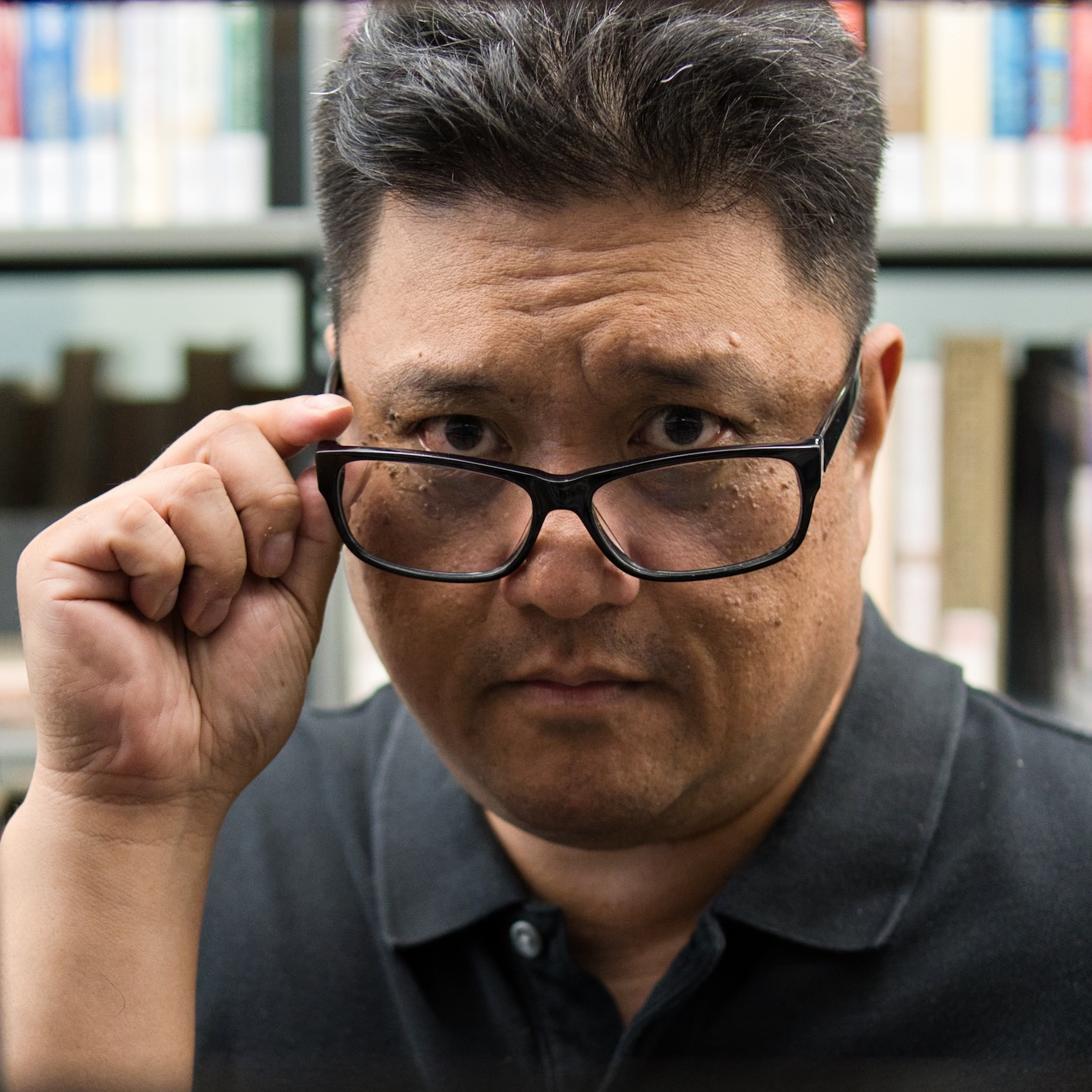
Non-binary cartoonist Mayday Trippe created acclaimed autobiographical comic Something Terrible and co-founded redesign site Project: Rooftop. Praised by Wired.
📍 North Georgia, USA
Mayday Trippe has spent more than two decades proving that comic books can save lives—because they lived it. From the rolling hills of North Georgia, this non-binary artist, writer, and character designer has worn nearly every hat the industry offers: penciler, inker, colorist, letterer, character designer, editor, and even comic shop manager. But it’s their intensely personal, achingly vulnerable storytelling that has left an indelible mark on readers around the world. Similar to the raw intimacy of Alison Bechdel’s Fun Home and the mythic sweep of Grant Morrison’s superhero work, Trippe’s art bridges the gap between pop culture escapism and profound emotional truth.
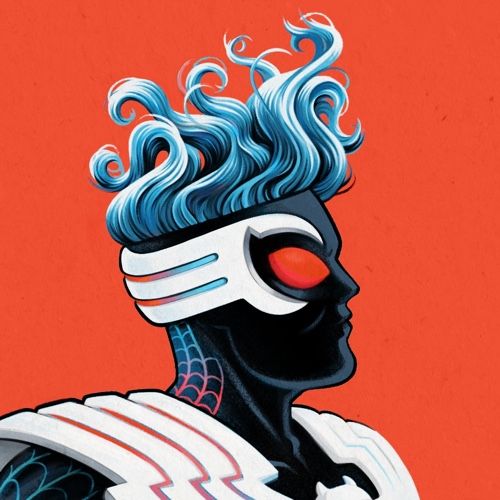
Born September 24, 1980, Trippe graduated from the Savannah College of Art and Design in 2003 with a B.F.A. in Sequential Art, then spent years cutting their teeth across every corner of the industry. They contributed to the Eisner and Harvey award-winning anthology Comic Book Tattoo (Image Comics), co-founded the beloved superhero redesign community Project: Rooftop with writer Chris Arrant, colored portions of the Scott Pilgrim Color Special, and even collaborated with Marvel Comics legend Stan Lee himself on Chakra: The Invincible, an all-ages superhero comic for Graphic India. It’s a résumé that reads like a masterclass in comics craft.
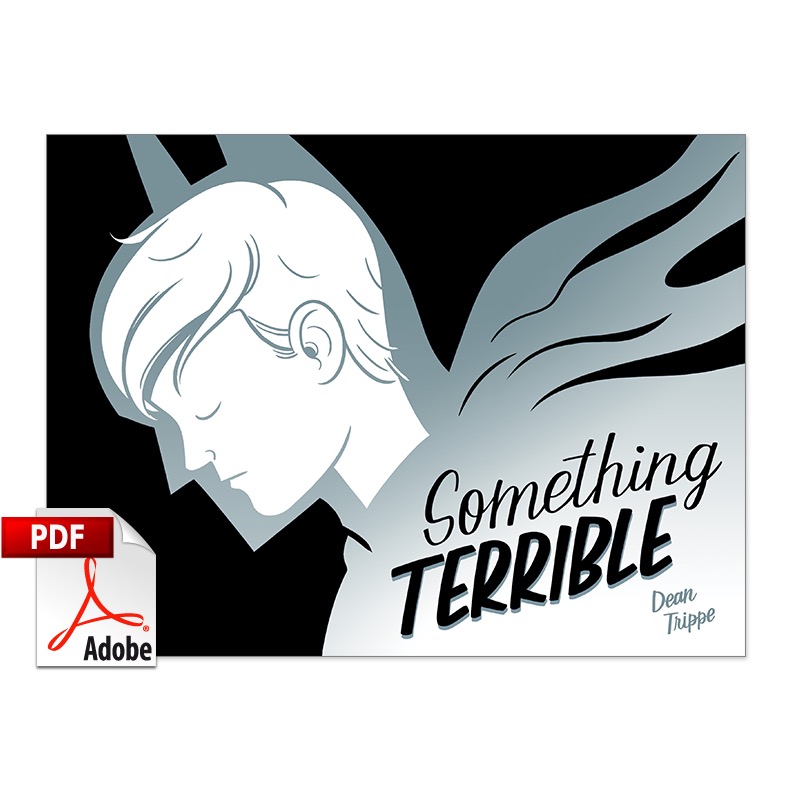
But it’s Something Terrible that changed everything. Released in 2013, this spare, devastating 18-page autobiographical comic is a masterwork of restraint and catharsis. It chronicles Trippe’s experience as a survivor of childhood sexual abuse and the life-saving role that superhero stories—especially Batman—played in their recovery. The comic opens in moody black-and-blue-gray washes, its minimal text and stark, haunted visuals pulling readers into the fog of trauma, before erupting into a luminous full-color climax where Batman himself promises a young Trippe, “You’ll be safe here.” Named one of the Best Comics of 2013 by Wired and Mental Floss, the comic went viral after a tweet from Kate Beaton and was later picked up for wider distribution by Iron Circus Comics. It remains a landmark of how the medium can transform pain into art.
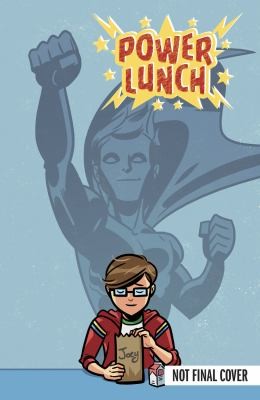
On the lighter side of the creative spectrum, Trippe brought their warm, expressive cartooning to Power Lunch, a delightful all-ages graphic novel series written by J. Torres and published by Oni Press. The series follows Joey, a kid whose strict white-food-only diet hides a wild secret: eating any colored food gives him superpowers. Publishers Weekly praised it as “a fine intro to what should be an entertaining series,” and the concept proved so irresistible that it spawned a sequel, Power Lunch Vol. 2: Seconds—proof that Trippe’s storytelling charm works just as powerfully in the world of giggles and grins.
Trippe’s creative reach extends even further. They created Butterfly, a long-running superhero parody webcomic, serialized the haunting webcomic Wake for the Act-i-vate collective, and served as lead character designer for Scott Fogg’s creator-owned Nightcare—bringing a distinctive cast of supernatural characters to life. In 2020, they launched Hallows, a Patreon-exclusive webcomic weaving supernatural intrigue, found families, and inventive magic systems into a story of murder and redemption. Their client list reads like a who’s who of the industry—Image Comics, Oni Press, AdHouse Books, A Wave Blue World—alongside unexpected stops like Nature magazine, where they illustrated the cover of the September 2015 issue with a team of superheroes representing different fields of knowledge. Few creators can claim to have worked with both Stan Lee and a scientific journal, but Trippe’s range is that remarkably broad.
In 2025, Trippe contributed to LA Strong, a charity anthology organized by Mad Cave Studios to support comics industry professionals who lost homes in the devastating Los Angeles wildfires, and released variant covers for Flash Gordon #1 and G.I. Joe #1. They continue to produce new work through their Patreon, where supporters get exclusive access to comic pages, process videos, and behind-the-scenes content.
Today, Trippe continues to create from their home in North Georgia, maintaining a vibrant presence across social platforms where they share their creative process and advocate fiercely for survivors. They’re a living testament to the power of comics as both art and medicine—proof that the stories we love as children can reach back and save us as adults.
Perfect for fans of autobiographical comics like Alison Bechdel’s Fun Home, superhero deconstruction like Grant Morrison’s work, or simply anyone who believes that stories have the power to heal.