Garth Ennis
Eisner-winning Northern Irish writer behind Preacher, The Boys, and Hellblazer — master of war comics and savagely funny genre deconstruction
📍 Northern Ireland
Garth Ennis is the human cannonball of comics—a writer who swings between bawdy, gut-busting comedy and righteous fury, often within the same panel. Across three and a half decades he has produced some of the most provocative, boundary-pushing work the medium has ever seen, from genre-defining Vertigo epics to a war-comics brand that rivals anyone’s. Perfect for fans of Alan Moore’s transgressive Vertigo era, Brian K. Vaughan’s ruthless subversion, and anyone who believes comics should provoke as much as they entertain.
Born in Holywood, Northern Ireland in 1970, Ennis started writing professionally at nineteen with Troubled Souls in the pages of Fleetway’s Crisis in 1989, then cut his teeth in the pages of 2000 AD—his Judge Dredd stories and Rogue Trooper work honing the gallows humor and hard-edged action that would define his career. He quickly became one of the British invasion’s most exciting exports, and his full DC bibliography runs from Hellblazer to Hitman to Preacher. His legendary Hellblazer run with Steve Dillon—including the drug addiction saga “Dangerous Habits” and “Rake at the Gates of Hell”—reshaped John Constantine into a cheeky, doomed, chain-smoking trickster and remains the definitive take on the character.
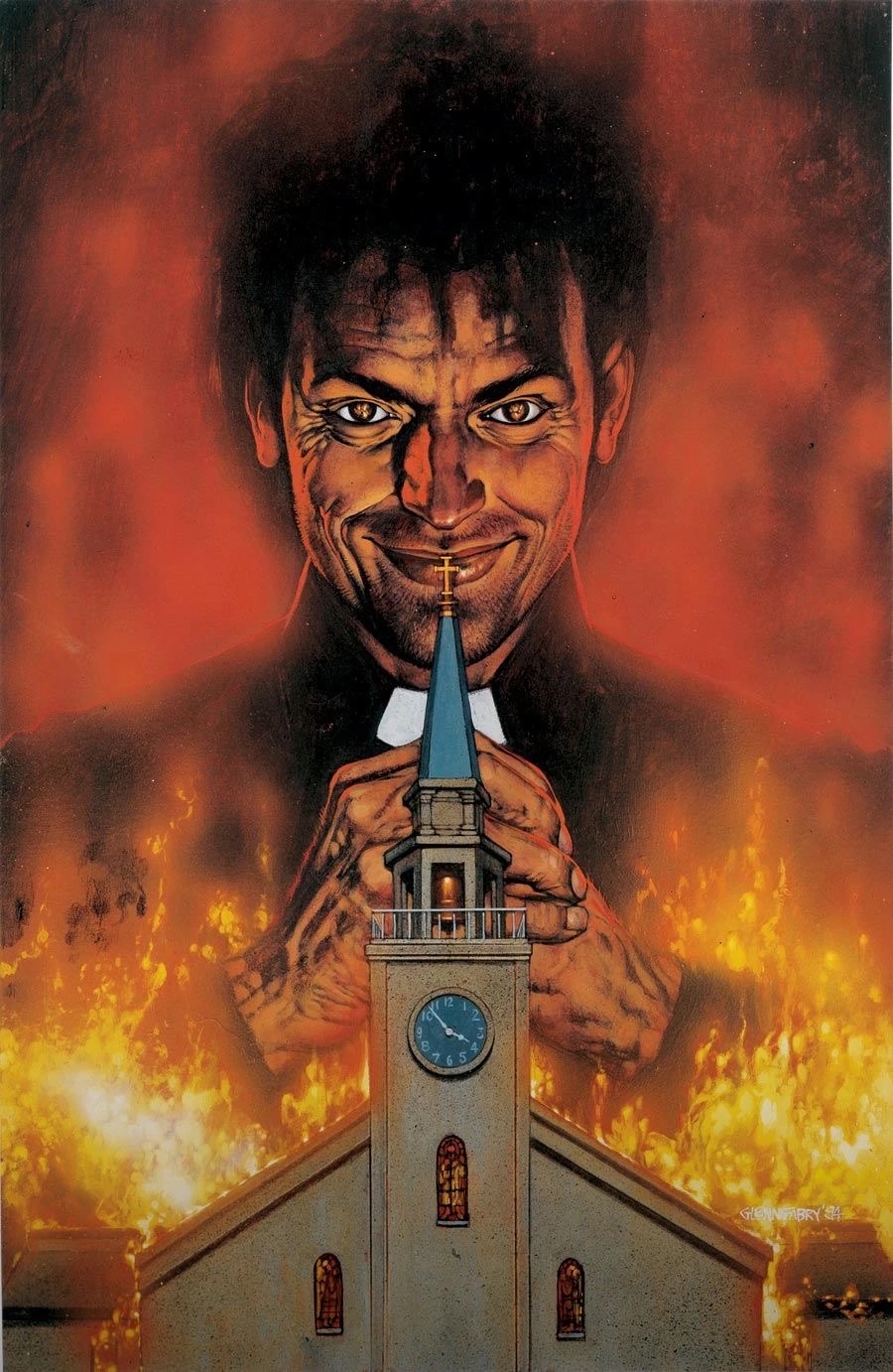
In 1995, Ennis and Steve Dillon launched Preacher at Vertigo, a 66-issue supernatural western that became one of the most acclaimed comics of the 1990s. Following Texas preacher Jesse Custer—merged with a supernatural entity and armed with the Word of God—as he hunts a God who has abandoned creation, Preacher blends horror, satire, romance, and road-trip adventure into something completely unlike anything else on the stands. It won the Eisner Award for Best Continuing Series in 1999, was adapted into an AMC television series, and still casts a shadow over everything Vertigo achieved. Around the same time, Ennis and John McCrea crafted Hitman, the gloriously irreverent saga of Tommy Monaghan, a Gotham City hitman with x-ray vision—an Eisner-winning single issue (“Of Thee I Sing”) and a cult favorite that proves Ennis’s rule that the best superhero stories are the ones that hate superheroes.
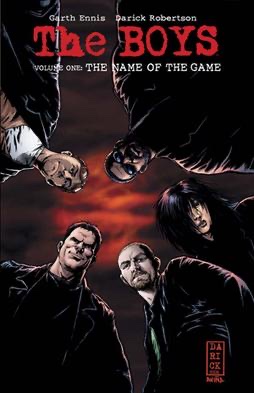
Ennis spent the 2000s dismantling superheroes for fun and profit. With Darick Robertson he created The Boys at Dynamite, the savage, scatological satire of celebrity superhero culture that Ennis and Robertson discussed at length with The Beat ahead of its adaptation into one of Amazon Prime Video’s most-watched series—a show so successful Ennis returned to the world for the Dear Becky epilogue, covered in another The Beat interview. He also claimed the Punisher for himself, writing the character for nine years across Marvel Knights and Marvel MAX—“Welcome Back, Frank” remains the defining modern take on Frank Castle—and explored dark crime and horror with The Ribbon Queen and A Walk Through Hell. His full Marvel bibliography is catalogued on his official Marvel creator page.
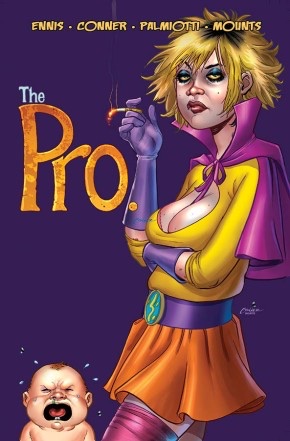
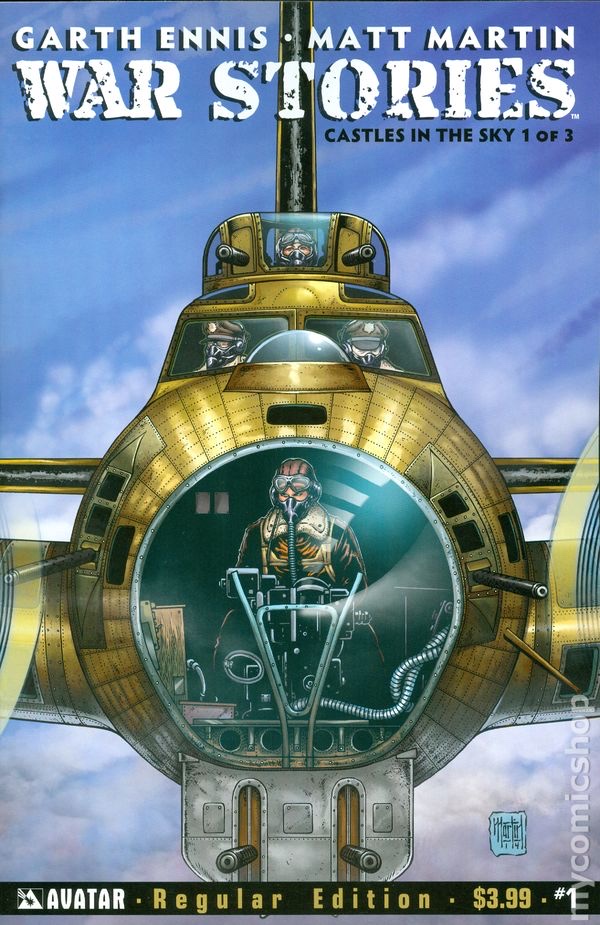
But war is Ennis’s first and deepest love. Through his War Stories brand at Avatar Press and Battlefields at Dynamite, he has spent decades chronicling soldiers’ experiences with unflinching realism and quiet reverence—work he explored at length in a Publishers Weekly interview and in acclaimed titles like Sara (with Steve Epting) and Dreaming Eagles. Recent years have found him as prolific as ever: The War at BOOM! Studios, Babs at Ahoy Comics, Johnny Red for 2000 AD publisher Rebellion, and The Pro with Amanda Conner. Paste Magazine ranked his output among comics’ best, and with a UK Comic Art Award, an Eisner for Best Writer (1998), and an Eisner for Best Continuing Series (1999) to his name, Ennis has earned every ounce of his reputation as comics’ great provocateur. He famously keeps no social media presence and no personal website—the work is the man, and the work is unmissable.